
Images
MY Story
the hunt begins
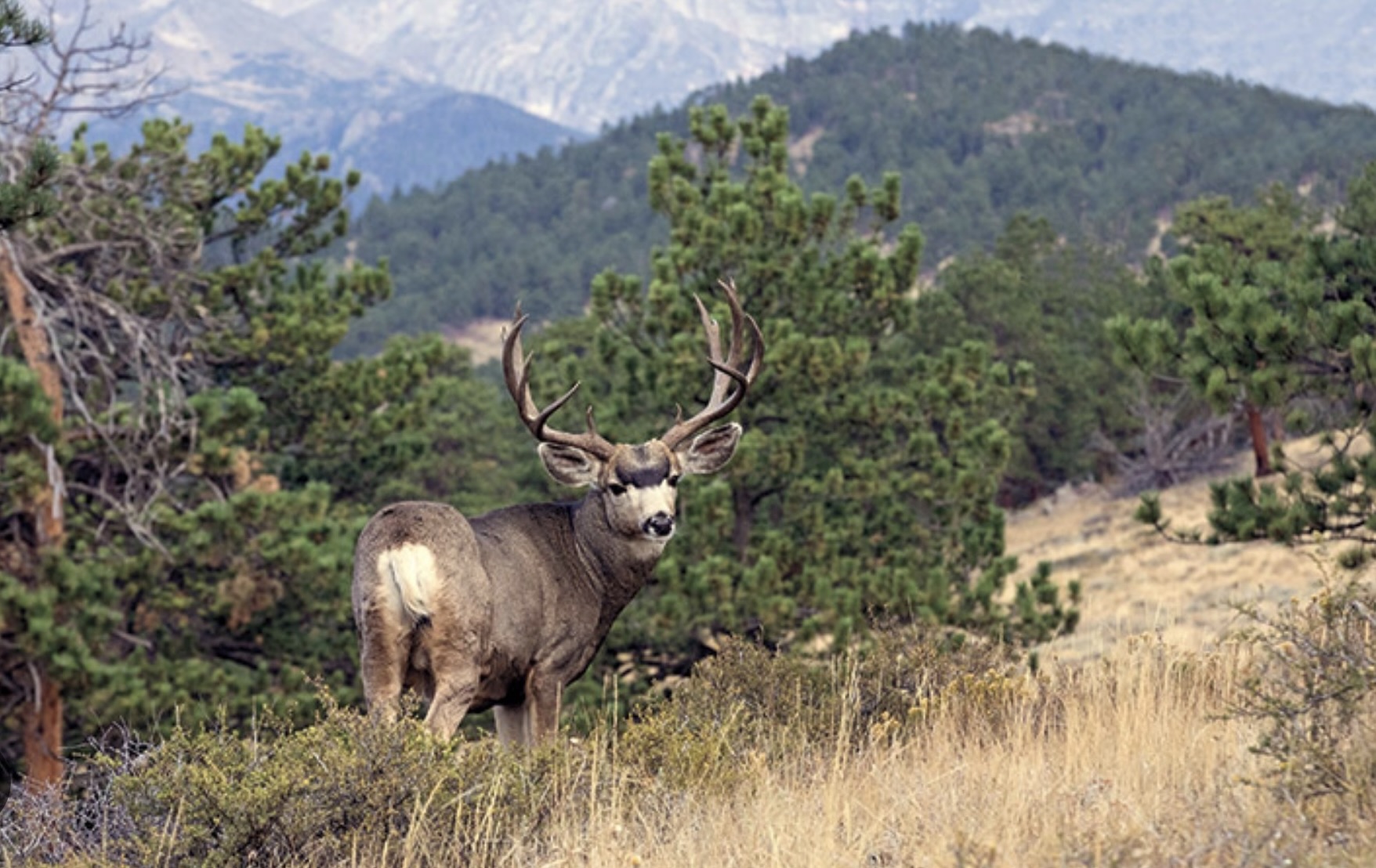
My future hunt in the Angeles National Forest begins early in the morning. I will wake up before dawn and drive into the area where my hunt will start. It will still be dark at this point, as hunting is allowed to begin 30 minutes before sunrise and ends 30 minutes after sunset. I will have most of my gear ready to go, but some last minute checks will still be necessary to ensure that all of my equipment is prepared before I set out into the forest. I will need to make sure that I have the proper equipment for this kind of hunt. Along with my personal gear, I will also bring blaze orange clothing, which is required during deer season for safety and visibility among other hunters. Before stepping into the forest, I will also be preparing mentally for the task ahead, remembering the planning I have done and how I will execute my decisions while in the outdoor environment. At this point, the hunt will be beginning soon, and I will be focused and alert to every sound and movement in the wilderness around me. Through my preparation and research, I will have learned as much as possible about the animal I am pursuing. As said in a hunters heart, “I might watch game birds and animals at all seasons under a full range of conditions and yet never know them as I do when I am hunting them” (Madson, p. 134). As the hunt begins, I will understand the animal I am after and what I must do to find it, pursue it, and harvest it responsibly. These thoughts and feelings will be on my mind as I take my first steps into the forest.
Preparation and Planning
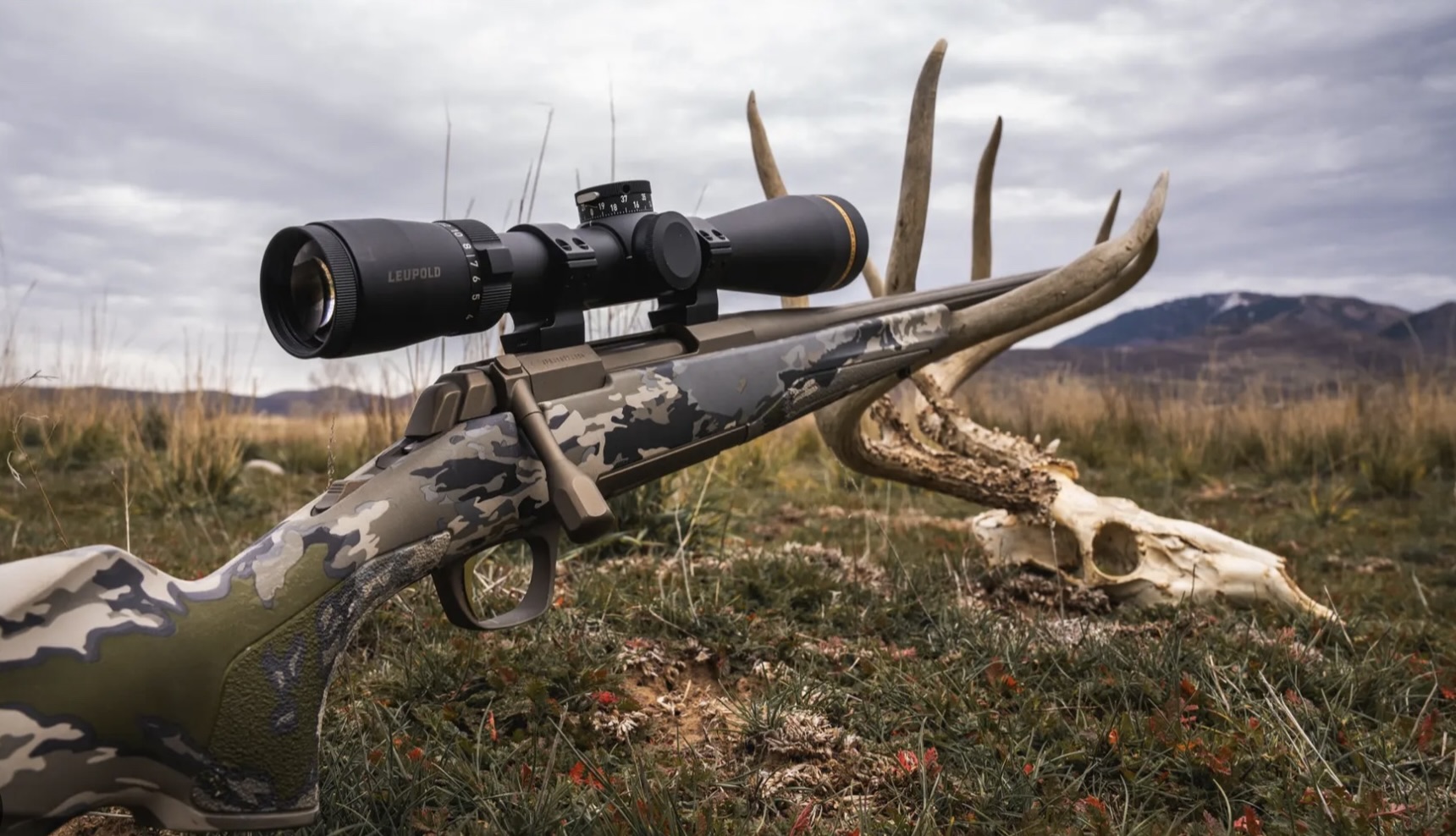
During the preparation phase before my hunt begins, I have done research to determine where my hunt will take place. I chose to hunt in the Angeles National Forest because I have a cabin not far from the areas where mule deer hunting is allowed in California. During my planning phase, I looked into the rules and regulations for hunting mule deer in this specific area. I found that this region is classified as Zone D-11, and for this hunt I will need to obtain a California hunting license along with the specific deer tags required for this zone. During this research phase, I also looked into areas where hunting is prohibited. From this, I discovered that the Charlton–Chilao Recreation Complex is designated as a “no-hunting zone,” which extends to the nearby mountains and surrounding roads. In addition to these prohibited areas, there are also precautionary regulations stating that no firearms or bows may be discharged within 150 yards of these areas. Another regulation I learned during this stage of preparation is that it is prohibited to shoot over or across any service roads or bodies of water. Additionally, there are sections of land in the area where public and private properties intersect, so studying where hunting is legal and illegal is a crucial aspect of the planning stage. As a hunter, these preparations are extremely important because it is my responsibility to follow the laws that are in place during the hunt. As it is stated in Beyond Fair Chase, “it is the responsibility of every hunter to carefully study the hunting regulations each year to learn what is permitted” (Posewitz, Following the Rules, p. 28). Along with studying the laws and regulations, I will also prepare the gear I plan on taking with me, including my rifle, binoculars, blaze orange clothing, a knife for field dressing, a backpack with supplies, water and food, as well as a map or GPS of the forest to ensure that I remain in areas where hunting can be done legally.
The Hunt
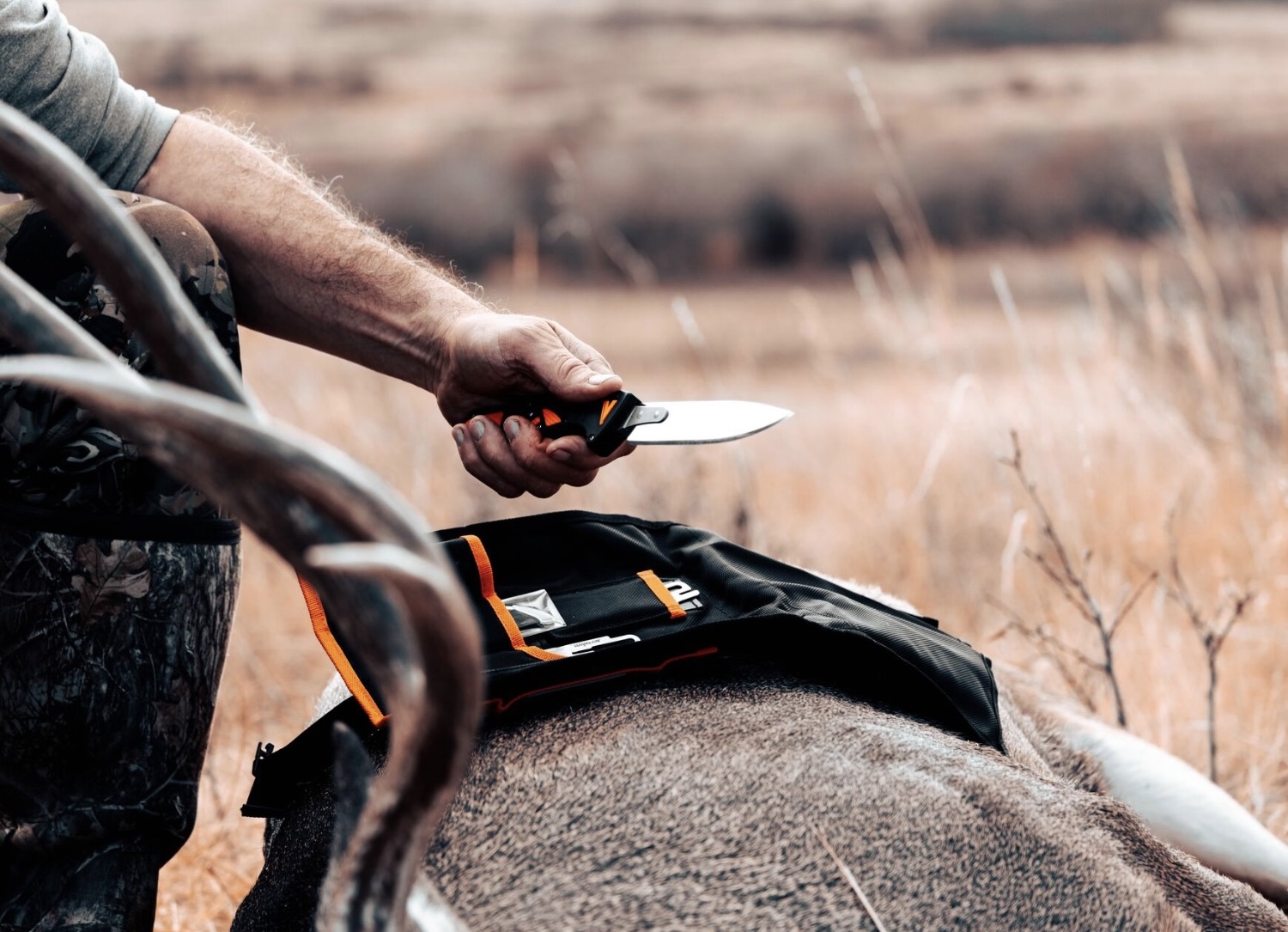
After completing my preparations and gaining a full understanding of the laws and regulations I must follow, it will be time to begin the hunt. With my gear checked and my supplies ready, I will head into the forest. As I move through the area, I will be watching and listening carefully for any movement in the brush or sounds of wildlife around me. I will scan the ridgelines and hillsides in hopes of spotting a mule deer. Throughout the hunt, I will move slowly and quietly while using my binoculars to search for potential feeding or watering areas where mule deer may appear. As I walk through the Angeles National Forest, I will also need to remain aware of my surroundings to ensure that I am not entering any areas where hunting is prohibited or crossing onto private property. Constantly checking my map and GPS will help me stay on the correct path as I move deeper into the forest. While searching for mule deer, the ethical side of the hunt will also be present in my mind. If I spot a mule deer, I will have to carefully consider whether the shot is clean and whether it will result in a humane and fatal harvest rather than injuring the animal. Ethical hunting requires patience and restraint, and sometimes the responsible choice is deciding not to take the shot if the conditions are not right. The conditions for my shot will need to be ideal, as I do not want to injure or unnecessarily harm the animal. The shot must be clean and one that I feel confident in taking. If the opportunity presents itself and the conditions are both safe and ethical, then I will take the shot. After spotting a mule deer and determining that it is a shot I am confident will be fatal and will hit its mark, I will carefully take aim and fire. At that moment, all of the preparation, patience, and decision making of the hunt will come together as the shot is taken. After taking the shot, I will approach the animal with respect and take a moment to appreciate the harvest. In Beyond Fair Chase, Posewitz explains, “After you have taken possession of the animal you have killed and taken time to appreciate it, it is time to care for your gift. The task at hand will vary; for some animals it is simply a matter of putting it into your game pouch and continuing. For big game there is field dressing and properly caring for all the usable parts” (Posewitz, Ethics After the Shot, p. 90). After taking a moment to respect and appreciate the animal, I will begin the process of field dressing using the knife I packed with my gear. This moment is important because the hunt does not end with taking the shot. It is important to harvest and use as much of the animal as possible so that none of the meat goes to waste. Properly disposing of the remaining parts is also important, as I must respect the animal, the surrounding wildlife, and the traditions that guide ethical hunting.
Reflection on the Meaning of the Hunt
Reflecting on my future hunt and imagining what the experience will be like, it becomes clear that there is much more involved than simply taking the shot. There is preparation, patience, and decision making throughout the entire process that creates a deeper understanding of wildlife and the natural environment. Through researching what it takes to hunt mule deer, I have learned that there are many regulations and laws in place to ensure that hunting can be done in a way that is safe for people, other hunters, and the animal itself, with respect and ethics at the forefront. I have come to understand the discipline and responsibility required to both understand the rules and hunt ethically and fairly. Harvesting the animal also plays a major role in the hunt. Once the shot is taken, the hunter now has the responsibility of ensuring that the animal is used respectfully and that as much of it as possible is properly utilized. This responsibility reflects the respect hunters must show toward the wildlife that supports the hunting experience. I also understand that hunting is not viewed positively by everyone. Some people believe it is not right to take the life of an animal, while others may not fully understand how regulated hunting plays a role in wildlife management and conservation. It is said in hunting a cultural history that “it is clear that many of today’s nonhunters worry about the character of hunters, just as they did thousands of years ago.” and this goes on to say “Present-day anxieties about hunting and hunters are rooted in The development of moral sensibilities, which have accompanied our long march to the top of the food chain” (Dizard and Stange, Hunting-A Cultural History, ch 2). While these concerns are present for some, ethical hunters attempt to address them by following strict regulations, practicing fair chase, and ensuring that animals are harvested humanely and respectfully. Ultimately, the hunt represents a connection between humans, wildlife, and the natural environment. It teaches patience, responsibility, and respect for the animals and landscapes that make the experience possible.
References:
Posewitz J. “Beyond Fair Chase: Following the Rules.” University of Arizona – D2L(Desire2Learn), d2l.arizona.edu/d2l/le/content/1703178/viewContent/19832668/View. Accessed 24 Feb. 2026.
Petersen , David. “A Hunter’s Heart: Honest Essay On Blood Sport.” University of Arizona – D2L(Desire2Learn), Henry Holt and Company , d2l.arizona.edu/d2l/le/content/1703178/viewContent/19832651/View. Accessed 28 Jan. 2026.
Posewitz J. “Beyond Fair Chase: Ethics after the Shot.” University of Arizona – D2L(Desire2Learn), d2l.arizona.edu/d2l/le/content/1703178/viewContent/19832669/View.
Accessed 24 Feb. 2026. Dizard, and Stange. “Hunting-A Cultural History.” University of Arizona – D2L(Desire2Learn), MIT Press , 2022, d2l.arizona.edu/d2l/le/content/1703178/viewContent/19832628/View.
 Travis's Hunt